
Activated Carbon Water Filter: How It Works, What It Removes, and How to Choose One
Release time:
2026-07-08
Author:
CarlCarbon
Source:
CarlCarbon
Abstract
Activated Carbon Water Filter: How It Works, What It Removes, and How to Choose One
 |  |
If your tap water smells like chlorine, tastes unpleasant, or leaves you wondering what might be in every glass, an Activated Carbon Water Filter is often one of the first filtration options people consider. It is widely used in water filter pitchers, faucet filters, refrigerator filters, under-sink systems, reverse osmosis systems, and even whole-house filtration setups.
But activated carbon is not a magic material that removes everything from water. It works extremely well for some problems, such as taste, odor, chlorine, and many organic compounds, while other issues may require additional filtration technologies.
This guide explains what an activated carbon water filter is, how it works, what it can and cannot remove, and how to choose the right setup for your home.
What Is an Activated Carbon Water Filter?
An activated carbon water filter is a filtration system that uses highly porous carbon material to reduce certain impurities from water. The carbon is usually made from carbon-rich materials such as coconut shells, coal, wood, or other organic sources. During activation, the material is processed to create a large network of tiny pores, giving it a much larger surface area for trapping contaminants.
In water filtration, activated carbon is commonly used to improve taste and odor, reduce chlorine, and lower certain organic chemicals. The U.S. EPA describes granular activated carbon as useful for removing taste- and odor-producing compounds, natural organic matter, volatile organic compounds, synthetic organic chemicals, and some disinfection byproduct precursors.
You may see activated carbon water filters in several forms, including:
Water filter pitchers
Faucet-mounted filters
Refrigerator water filters
Countertop filtration systems
Under-sink water filters
Reverse osmosis pre-filters and post-filters
Whole-house carbon filtration systems
The right format depends on your water quality concerns, budget, water usage, and whether you want to filter only drinking water or all water entering the home.
How Does an Activated Carbon Water Filter Work?
An Activated Carbon Water Filter mainly works through adsorption. Adsorption means contaminants attach to the surface of the carbon rather than being absorbed into it like water into a sponge.
Activated carbon contains many tiny pores. As water passes through the filter, certain chemicals are attracted to the carbon surface and become trapped inside those pores. The EPA explains that granular activated carbon traps chemicals as water passes through the material, and that its small pores help trap contaminants present in water.
Three factors strongly affect how well a carbon water filter works:
Contact time
The longer water stays in contact with the carbon, the more opportunity the carbon has to adsorb contaminants.Carbon quality and pore structure
Different activated carbons have different pore sizes and surface characteristics. These differences affect what contaminants they can reduce.Flow rate
If water moves too quickly through the filter, the contact time may be too short, reducing filtration performance.
This is why a larger or denser carbon block filter may perform differently from a small granular carbon cartridge, even if both are described as “activated carbon filters.”
What Does Activated Carbon Remove from Water?
One of the most important questions users ask is: What does activated carbon remove from water?
The answer depends on the filter design, carbon type, water chemistry, contact time, and whether the product has been tested or certified for specific contaminants. In general, activated carbon is best known for reducing chlorine, unpleasant taste and odor, and many organic chemicals.
Contaminants Activated Carbon Filters Commonly Reduce
A well-designed activated carbon water filter may help reduce:
Chlorine taste and odor
Unpleasant smells
Volatile organic compounds, also known as VOCs
Some pesticides and herbicides
Some industrial organic chemicals
Some disinfection byproducts
Natural organic matter
University extension guidance notes that activated carbon filtration can effectively reduce some organic chemicals as well as certain taste- and odor-producing compounds.
This is why carbon filtration is popular for municipal tap water. Even when tap water is treated to meet safety standards, many people dislike the chlorine taste or smell. A carbon filter can make the water more pleasant to drink.
Contaminants Activated Carbon May Reduce Depending on Filter Design
Some activated carbon filters are also designed to reduce specific contaminants such as:
Lead
Mercury
PFAS
Chloramine
Certain heavy metals
Cysts
Selected emerging contaminants
However, these claims should not be assumed for every carbon filter. For example, the EPA notes that some filters have been certified to reduce some PFAS chemicals, including certain granular activated carbon filters.
If you are concerned about a specific contaminant, check whether the filter has been independently tested or certified for that exact reduction claim. NSF/ANSI standards are commonly used for this purpose. NSF explains that NSF/ANSI 42, 53, and 401 are common filtration standards that certify products for reducing specific contaminants from drinking water.
What Activated Carbon Filters Usually Do Not Remove Well
Activated carbon filtration is not the best solution for every water problem. Most standard carbon filters are not designed to remove:
Dissolved minerals
Total dissolved solids, or TDS
Water hardness
Fluoride
Nitrates
Salts
Arsenic, unless specifically certified
Bacteria and viruses
High levels of sediment
The CDC notes that many common home water filters, such as pitcher and refrigerator filters, are not designed to remove germs from water. These filters often use carbon to improve taste or reduce substances such as lead, depending on the product.
For water with microbial risks, high TDS, heavy metals, fluoride, nitrates, or well-water contamination, activated carbon may need to be combined with other filtration technologies.
Benefits of Using an Activated Carbon Water Filter
An Activated Carbon Water Filter offers several practical benefits for everyday drinking water.
First, it can improve the taste and smell of tap water. Chlorine taste is one of the most common reasons people buy carbon filters, and NSF/ANSI 42 specifically covers aesthetic impurities such as chlorine, taste, and odor.
Second, activated carbon filters are widely available and easy to use. You can find them in simple pitchers, compact faucet filters, refrigerator cartridges, and more advanced under-sink systems.
Third, carbon filtration can be cost-effective. For households that mainly want better-tasting water, a carbon filter may be simpler and less expensive than a full reverse osmosis system.
Fourth, carbon filters are often used as part of multi-stage filtration systems. For example, many reverse osmosis systems use carbon pre-filters to reduce chlorine before the RO membrane and carbon post-filters to polish the taste of purified water.
Finally, using a reliable water filtration system may help reduce dependence on bottled water, which can save money and reduce plastic waste over time.
Disadvantages of Activated Carbon Filtration
Although activated carbon filtration is useful, it has limitations.
The biggest limitation is that it does not remove everything. A basic carbon filter may improve taste and reduce chlorine, but it may not solve problems related to fluoride, nitrates, hardness, dissolved salts, or microorganisms.
Another limitation is that carbon filters become less effective over time. Once adsorption sites inside the carbon are used up, the filter can no longer capture contaminants as effectively. That is why timely replacement is important.
Flow rate can also affect performance. If water passes through the filter too quickly, the carbon may not have enough contact time to adsorb certain contaminants.
Finally, not all activated carbon filters are equal. Two filters may both use activated carbon but perform very differently based on carbon source, pore structure, filter size, flow design, and certification.
Types of Activated Carbon Filters
There are several types of activated carbon used in water filtration. Understanding the differences can help you choose the right product.
Granular Activated Carbon Filters
Granular activated carbon, or GAC, consists of loose carbon granules. Water flows through the granules, and contaminants are adsorbed onto the carbon surface.
GAC is commonly used in pitchers, refrigerator filters, whole-house tanks, and some under-sink systems. It is effective for improving taste and odor and reducing many organic compounds, but performance depends heavily on contact time and filter design.
Carbon Block Filters
Carbon block filters are made by compressing fine activated carbon particles into a solid block. Because the structure is denser, water usually has to pass through a more controlled path.
Carbon block filters may offer better contact between water and carbon, and they can also help reduce fine particles depending on micron rating. They are commonly used in higher-performance under-sink filters and drinking water systems.
Powdered Activated Carbon
Powdered activated carbon is made of very fine carbon particles. It is more common in municipal or industrial treatment processes than in typical household cartridges.
Modified or Catalytic Activated Carbon
Some filters use modified carbon or catalytic carbon. These materials are designed to target certain contaminants more effectively, such as chloramine in some water supplies. If your local water utility uses chloramine instead of chlorine, look for a filter specifically tested for chloramine reduction.
Coconut Shell vs. Coal-Based Activated Carbon
Activated carbon can be made from different raw materials. Two common options are coconut shell carbon and coal-based carbon.
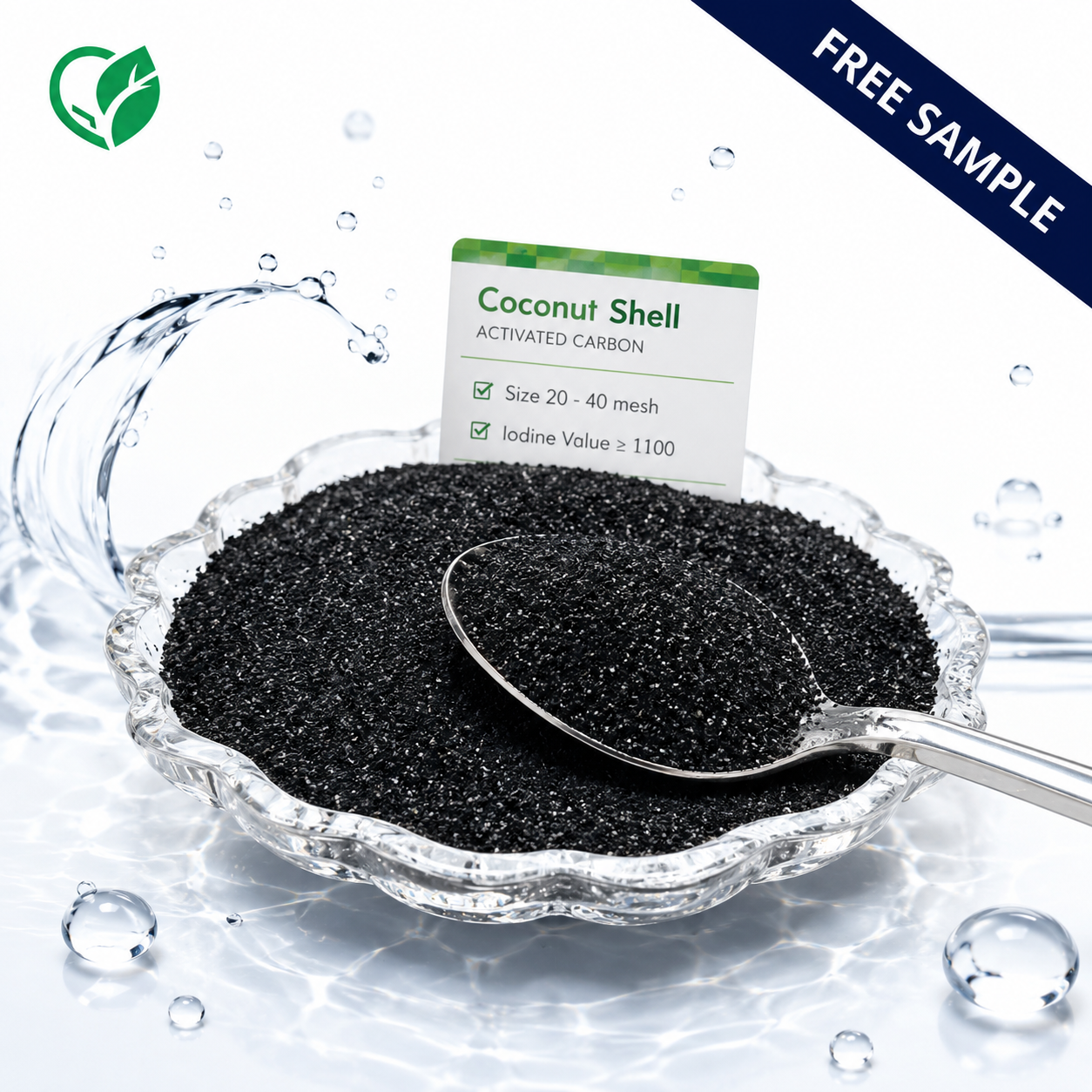
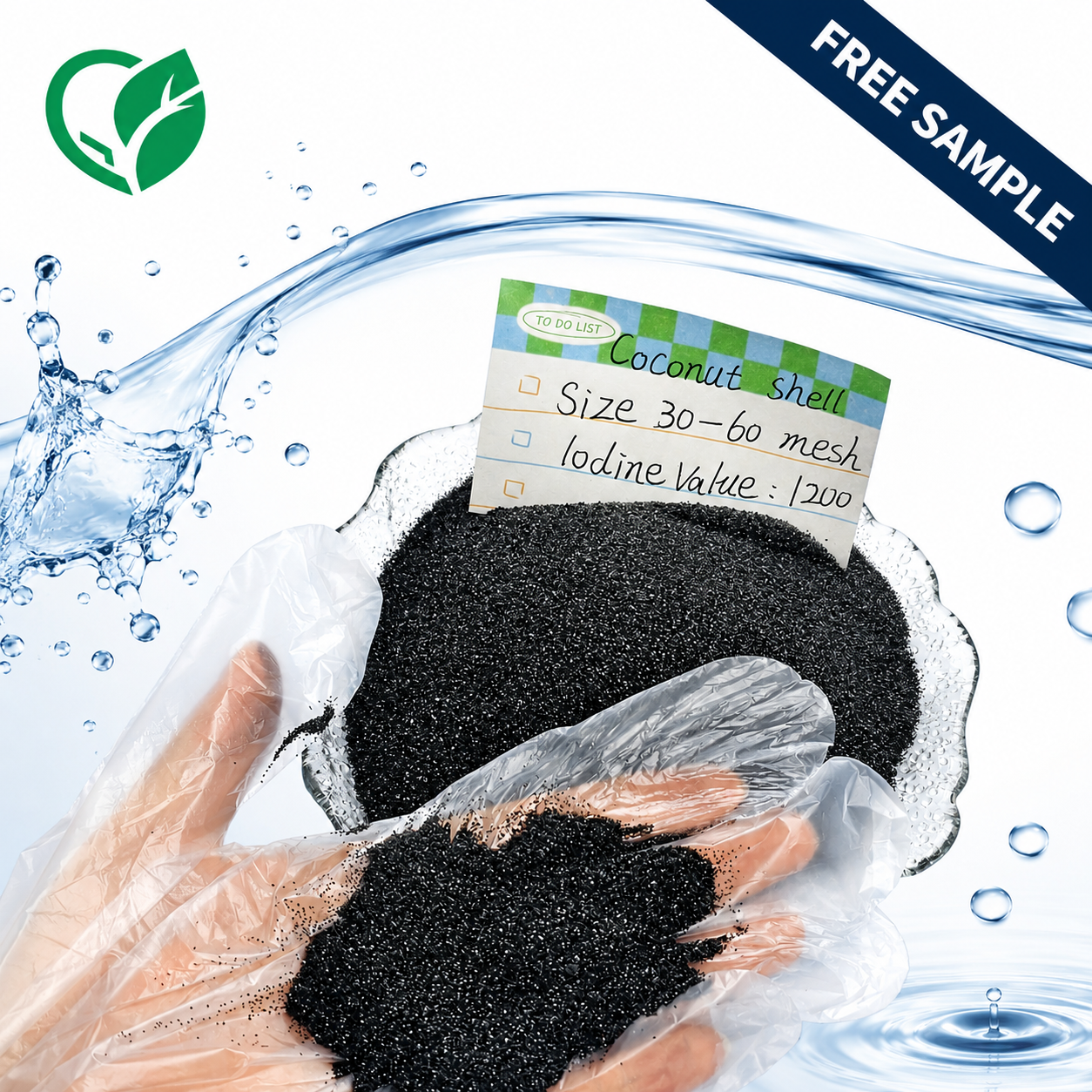
Coconut shell activated carbon is often associated with a high micropore structure, which can be useful for adsorbing smaller organic molecules. It is also popular in consumer drinking water filters because coconut shells are a renewable byproduct.
Coal-based activated carbon may have a broader pore distribution and is widely used in industrial and municipal water treatment. However, the raw material alone does not determine performance. The EPA notes that treatment capacity varies depending on the properties of the GAC, and those properties vary based on raw materials and manufacturing processes.
In other words, “coconut shell” or “coal-based” should not be the only deciding factor. Filter design, contact time, carbon quality, and contaminant-specific testing matter more.
How to Improve the Performance of an Activated Carbon Water Filter
To get better results from an activated carbon water filter, focus on installation, water flow, and maintenance.
Use the Right Flow Rate
Do not force water through the filter faster than recommended. A slower, controlled flow allows more contact time between water and carbon.
Install a Sediment Pre-Filter When Needed
If your water contains rust, sand, dirt, or visible particles, a sediment pre-filter can help protect the carbon filter from clogging too quickly.
Match the Filter to Your Target Contaminants
Do not choose a filter only because it says “activated carbon.” Check whether it is tested or certified for your actual concern, such as chlorine, lead, VOCs, PFAS, or chloramine.
Replace the Filter on Time
A carbon filter that is past its service life may no longer reduce contaminants effectively. Follow the manufacturer’s recommended replacement schedule and replace sooner if water taste, odor, or flow rate changes.
How Often Should You Change an Activated Carbon Water Filter?
The replacement schedule depends on the type of filter, water quality, water usage, and filter capacity.
As a general guideline:
Water pitcher filters may need replacement every 1–3 months.
Faucet filters often need replacement every 2–4 months.
Refrigerator filters are commonly replaced about every 6 months.
Under-sink carbon filters may last 6–12 months.
Whole-house carbon systems may last longer, depending on tank size and water conditions.
Always check the manufacturer’s rated capacity in gallons or liters. If your household uses more water than average, or if your water has high chlorine, sediment, or organic content, the filter may need to be changed more often.
Activated Carbon Water Filters vs. Other Water Filtration Methods
Activated carbon is powerful, but it works best when matched to the right problem. In some cases, another technology may be needed.
Activated Carbon vs. Reverse Osmosis
Reverse osmosis, or RO, is better suited for reducing many dissolved solids, salts, fluoride, nitrates, and certain inorganic contaminants. The EPA describes reverse osmosis as useful for removing many inorganics, dissolved solids, radionuclides, and synthetic organic chemicals.
Activated carbon is better for taste, odor, chlorine, and many organic chemicals. Many RO systems use activated carbon before and after the RO membrane to improve performance and final water taste.
Activated Carbon vs. Ion Exchange
Ion exchange is commonly used to target certain dissolved ions. For example, water softeners use ion exchange to reduce hardness minerals such as calcium and magnesium. Some specialty ion exchange resins may also target specific contaminants.
Activated carbon and ion exchange can work together, but they are not the same. Carbon mainly adsorbs certain chemicals onto its surface, while ion exchange swaps ions in the water with ions on a resin.
Activated Carbon vs. UV Filtration
UV filtration is used to inactivate microorganisms such as bacteria and viruses. It does not remove chlorine, chemicals, heavy metals, sediment, or dissolved solids.
If your main concern is microbial safety, activated carbon alone is usually not enough. UV, ultrafiltration, boiling, or other microbiological treatment may be needed depending on the water source.
Where Are Activated Carbon Filters Used?
Activated carbon filters are used in many water treatment applications, including:
Home drinking water filters
Refrigerator water dispensers
Faucet-mounted systems
Under-sink filtration systems
Countertop water filters
Reverse osmosis systems
Whole-house filtration systems
Aquariums
Laboratory water systems
Commercial beverage equipment
For home drinking water, the most common use is improving taste and reducing chlorine-related odor. For more complex water quality concerns, activated carbon is often used as one stage in a multi-stage filtration system.
How to Choose the Right Activated Carbon Filtration Setup
The best activated carbon water filter depends on your water quality and how you plan to use it.
Start by identifying your main water problem:
If your water tastes or smells like chlorine, a carbon filter may be enough.
If you are worried about lead, look for a filter certified for lead reduction.
If PFAS is a concern, choose a system specifically tested or certified for PFAS reduction.
If your water has high TDS, fluoride, nitrates, or salts, consider reverse osmosis.
If you use well water, test your water before choosing a filter.
If you see rust, sand, or particles, use a sediment pre-filter before carbon filtration.
Next, choose the right system type:
Pitcher filter: Good for simple taste improvement and low upfront cost.
Faucet filter: Convenient for renters or small households.
Refrigerator filter: Useful for fridge water and ice.
Under-sink filter: Better for higher capacity and cleaner installation.
Whole-house carbon filter: Good for treating water throughout the home, especially chlorine taste and odor.
RO system with carbon filters: Better for deeper drinking water purification.
Finally, check certification claims. A trustworthy filter should clearly state what it is tested to reduce, its filter life, flow rate, and replacement requirements.
FAQs About Activated Carbon Water Filters
Is activated carbon the same as charcoal?
Not exactly. Activated carbon is a specially processed form of carbon designed to have a highly porous structure and large surface area. Regular charcoal is not necessarily processed or tested for water filtration.
Does activated carbon remove fluoride?
Most standard activated carbon filters do not effectively remove fluoride. If fluoride reduction is your goal, look for reverse osmosis, activated alumina, or another technology specifically tested for fluoride reduction.
Does activated carbon remove bacteria?
Most household carbon filters are not designed to remove bacteria or viruses. The CDC notes that many common home filters, such as pitcher and refrigerator filters, are not designed to remove germs.
Does activated carbon remove lead?
Some activated carbon filters can reduce lead, but only if they are designed and certified for lead reduction. Do not assume every carbon filter removes lead.
Does activated carbon reduce TDS?
No, activated carbon usually does not significantly reduce total dissolved solids. If you want to reduce TDS, reverse osmosis is usually a better option.
Can activated carbon filters remove PFAS?
Some activated carbon filters can reduce certain PFAS chemicals, but performance varies by product and PFAS type. Look for filters with specific PFAS reduction claims and third-party certification.
Is coconut shell activated carbon better than coal-based carbon?
Not always. Coconut shell carbon can be excellent for drinking water applications, but the final performance depends on activation process, pore structure, filter design, and contaminant testing.
Can activated carbon and ion exchange be used together?
Yes. Many filtration systems combine activated carbon with ion exchange resin to target a wider range of contaminants.
Final Thoughts
An Activated Carbon Water Filter is one of the most practical and widely used solutions for improving drinking water taste, reducing chlorine odor, and lowering selected organic contaminants. It is affordable, easy to use, and available in many formats, from simple pitchers to under-sink and whole-house systems.
However, activated carbon is not a one-size-fits-all solution. It works best when you understand your water quality problem and choose a filter tested for the contaminants you care about.
For cleaner, better-tasting water, start with your water source, check contaminant reduction claims, replace filters on schedule, and consider a multi-stage filtration setup when activated carbon alone is not enough.
Recommended Reading
Activated Carbon for Sugar Decolorization: Process, Selection Guide and Common Problems
2026-07-03
2026-05-29
Frequently Asked Questions About Activated Carbon
2026-06-26
Detailed Guide: 7 Types of Activated Carbon and Their Unique Functions
2024-04-24
How Is Hookah Charcoal Made? From Coconut Shell to Finished Hookah Coal
2026-09-09
Get a customized solution
Filling in your phone and email information will help us get in touch with you in a timely manner and resolve your issue as soon as possible.