
Frequently Asked Questions About Activated Carbon
Release time:
2026-06-26
Author:
CarlCarbon
Source:
CarlCarbon
Abstract
Frequently Asked Questions About Activated Carbon
Introduction
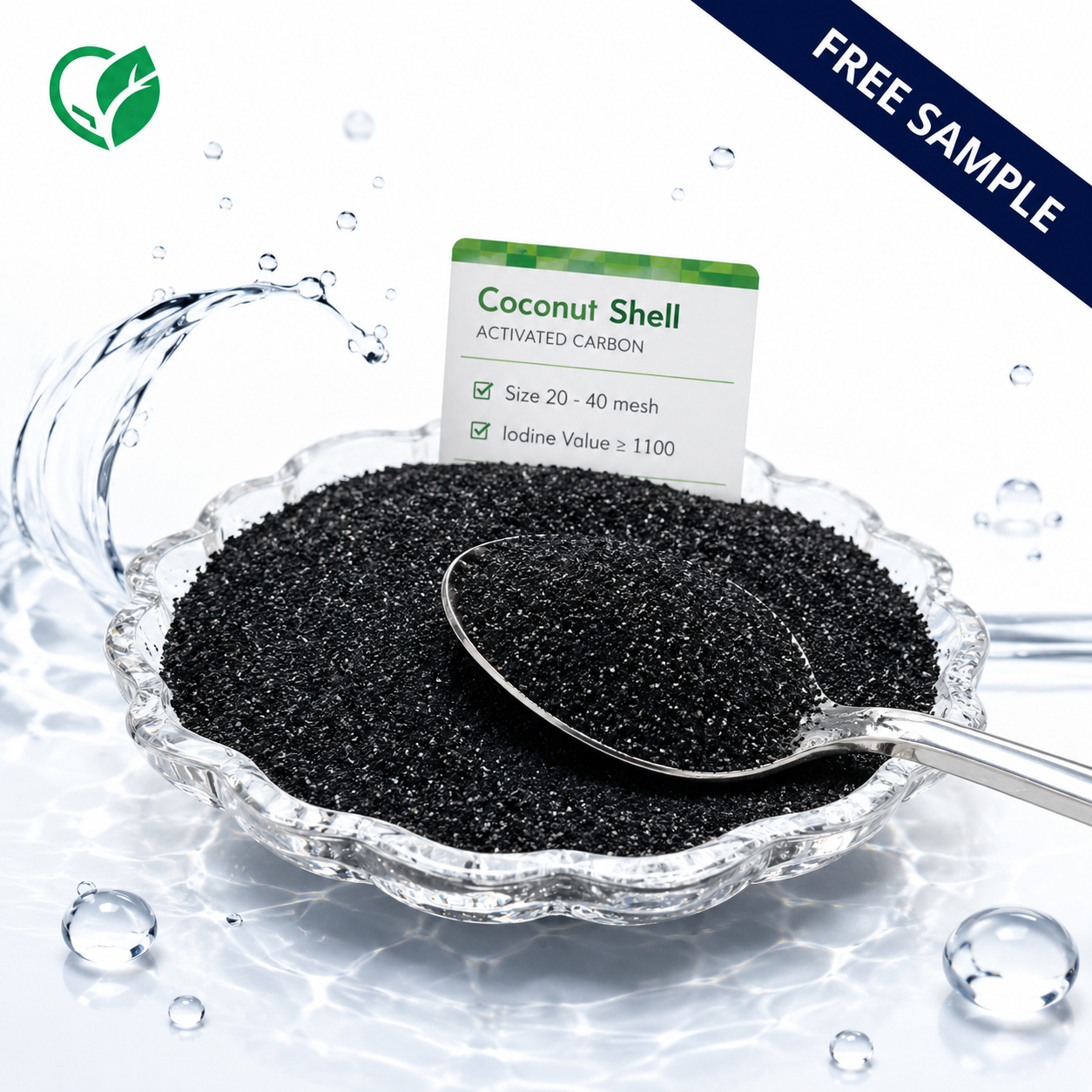 |  |
Activated carbon, also known as activated charcoal, is a highly porous carbon material widely used for purification and adsorption. It can filter impurities from water and air, making it useful in many industries such as water treatment, environmental protection, food processing, chemical production, and mining.
For new buyers or industry beginners, understanding the basic function, raw materials, and production process of activated carbon is the first step before choosing the right product.
What Is Activated Carbon Used For?
Activated carbon is mainly used to remove impurities, odors, colors, organic compounds, and certain contaminants from liquids and gases.
In water treatment, activated carbon helps improve water quality by adsorbing organic matter, chlorine, odor-causing substances, and other pollutants. In air purification, it is used to capture gases, odors, and volatile organic compounds.
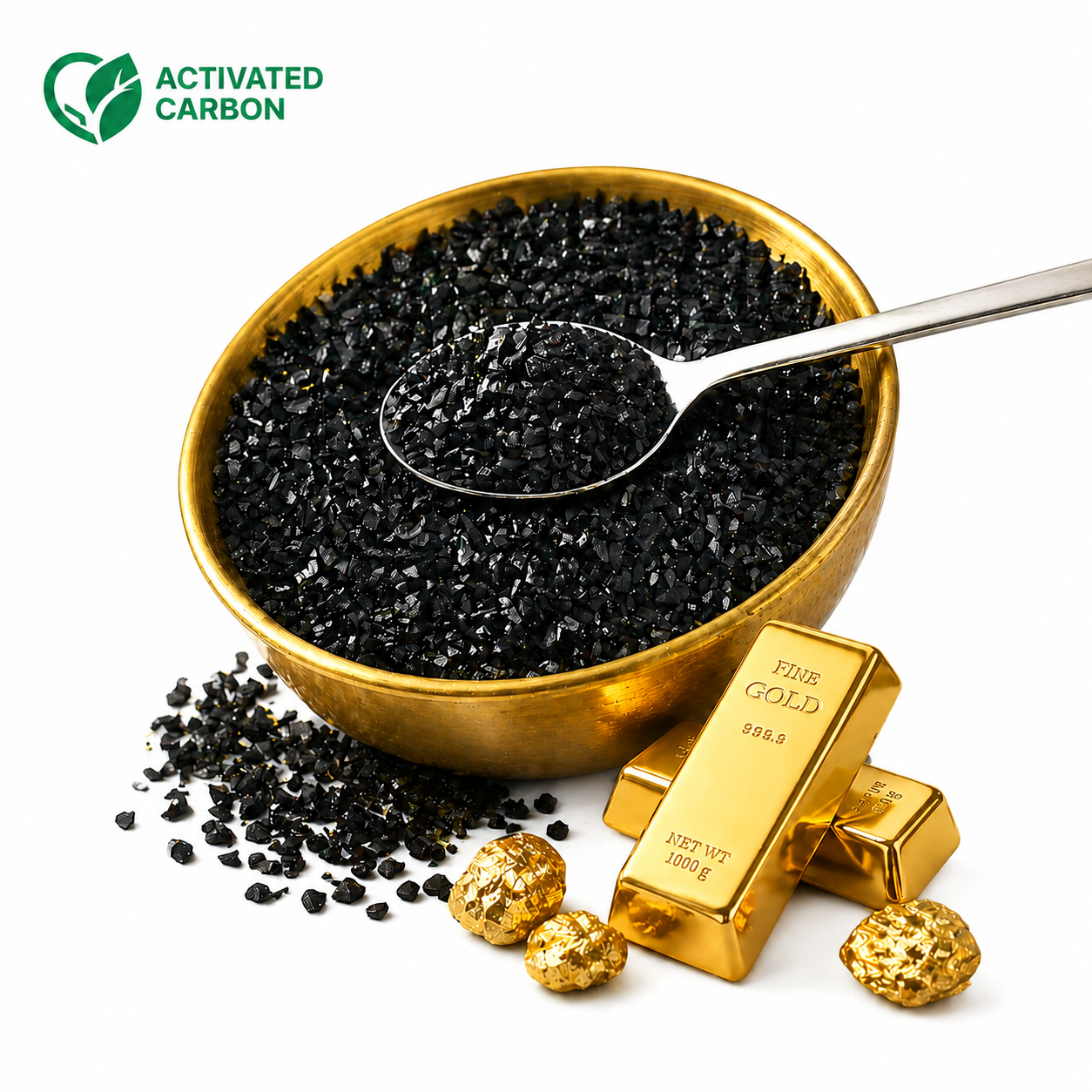
Activated carbon is also used in industrial applications, including wastewater treatment, solvent recovery, gas purification, food and beverage processing, and precious metal recovery. For example, in gold recovery systems such as CIP and CIL, coconut shell activated carbon is commonly used to adsorb dissolved gold from cyanide solutions.
For mining applications, you can also read our detailed guide on
<a href="https://www.carlcarbon.com/industry-insights/67.html">activated carbon for gold recovery in CIP/CIL plants</a>.
Where Can I Use Activated Carbon?
Activated carbon can be used in a wide range of applications where purification, separation, or adsorption is required.
Common application areas include:
| Application Area | Typical Use |
| Water treatment | Removing odor, color, organic matter, and impurities |
| Air purification | Adsorbing gases, odors, and VOCs |
| Wastewater treatment | Reducing organic pollutants |
| Food and beverage | Decolorization and purification |
| Chemical industry | Purification and solvent recovery |
| Mining industry | Gold adsorption in CIP/CIL systems |
Because activated carbon is available in different forms, such as granular activated carbon, powdered activated carbon, and pellet activated carbon, users should select the right type based on their specific application.
How Is Activated Carbon Made?
Activated carbon is made from high-carbon natural raw materials such as coal, wood, and coconut shells.
The production process usually includes carbonization and activation. During carbonization, the raw material is heated under controlled conditions to increase its carbon content. After that, the material goes through a special activation treatment using high-temperature steam or carbon dioxide.
This activation process creates a rich porous structure inside the carbon. These pores greatly increase the surface area of the material, allowing activated carbon to adsorb impurities from liquids and gases more effectively.
How Does Activated Carbon Work?
Activated carbon works mainly through adsorption.
Adsorption is different from absorption. Instead of soaking substances into the material, activated carbon attracts and holds molecules on the surface of its pores. Because activated carbon has a large internal surface area and rich pore structure, it can capture many types of organic compounds, odors, colors, and impurities.
The adsorption performance depends on several factors, including raw material, pore structure, particle size, iodine value, hardness, ash content, and the type of substance being removed.
What Raw Materials Are Used to Produce Activated Carbon?
The most common raw materials for activated carbon include:
Coconut shells
Coal
Wood
Bamboo
Other carbon-rich natural materials
Each raw material has different characteristics. Coconut shell activated carbon usually has high hardness and a well-developed microporous structure, making it suitable for gold recovery, drinking water treatment, and gas adsorption.
Coal-based activated carbon is often used in water treatment and industrial purification. Wood-based activated carbon is commonly used for decolorization and liquid-phase applications.
Why Is Activated Carbon Important for Industrial Users?
Activated carbon is important because it provides a practical and efficient solution for purification and recovery processes.
For B2B buyers, choosing the right activated carbon can help improve treatment efficiency, reduce operating costs, and support stable production. However, different industries require different activated carbon specifications. A product suitable for air purification may not be suitable for gold recovery or wastewater treatment.
Therefore, buyers should consider the application, raw material, particle size, adsorption capacity, hardness, moisture, ash content, and supplier experience before making a purchase.
Conclusion
Activated carbon is a versatile purification material made from carbon-rich raw materials such as coal, wood, and coconut shells. Through high-temperature activation with steam or carbon dioxide, it develops a rich porous structure that allows it to adsorb impurities from water, air, and industrial solutions.
For beginners, this basic understanding can help build a foundation before selecting activated carbon for specific applications.
If you are working in the mining industry, the next step is to understand how activated carbon quality affects gold adsorption, carbon loss, and recovery efficiency in CIP and CIL systems. Read our professional guide here:
<a href="https://www.carlcarbon.com/industry-insights/67.html">how activated carbon affects gold recovery performance in CIP/CIL plants</a>.
Recommended Reading
Activated Carbon for Sugar Decolorization: Process, Selection Guide and Common Problems
2026-07-03
Spent Activated Carbon Regeneration: Methods, Benefits, and Limitations
2026-07-17
Activated Carbon for Biogas Purification: Efficient H₂S and Siloxane Removal Solution
2026-09-24
Activated Carbon for Gold Recovery: CIP, CIL Process, Carbon Selection and Regeneration Guide
2026-09-30
Coconut Shell Activated Carbon: A Complete Guide
2026-07-24
Get a customized solution
Filling in your phone and email information will help us get in touch with you in a timely manner and resolve your issue as soon as possible.